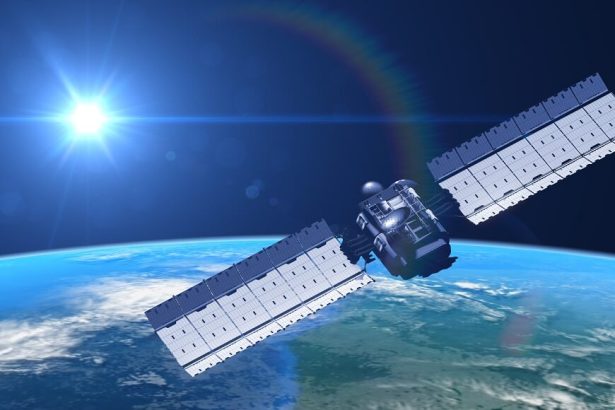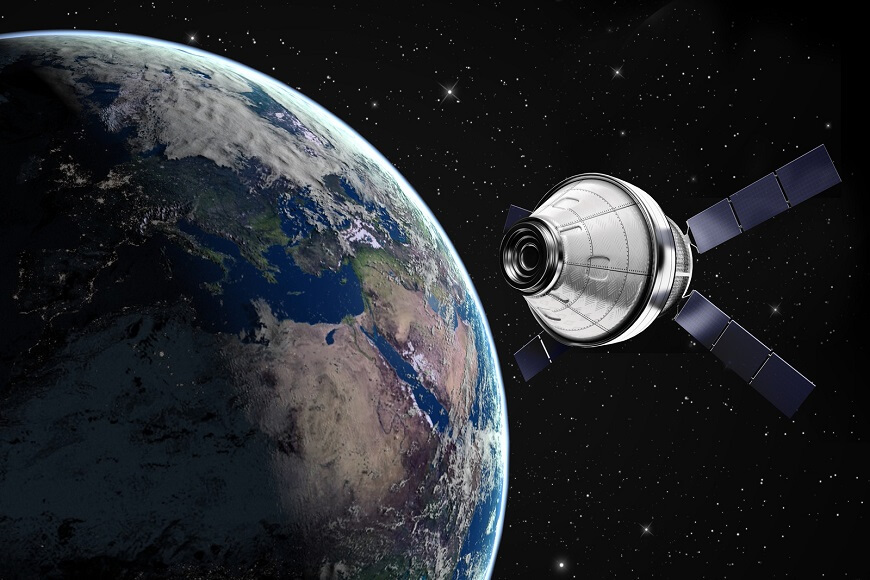
Iridium Communications was an easy target for a black-swan event. In 1998, the type of rocket that was to launch the company’s satellite network exploded at Cape Canaveral, setting back the roll-out indefinitely. And to make matters worse, the advent of inexpensive mobile phones made their core product irrelevant among consumers. A re-formed company is now back in the game, having purchased the original Iridium satellite network from then-parent Motorola for a mere $25 million. It is staking its future on global internet connectivity. The strategy may work this time. Besides its deep heritage in global connectivity, it has a loyal following among military and maritime customers.
The Iridium story points the way to the high-stakes game of space commerce. Rather than a few million in venture funding, the numbers escalate in the hundreds of millions, if not billions. Aside from Google and Facebook with balloon and drone technology, Iridium faces direct competition from UK-based Inmarsat. These are not here-today, gone-tomorrow enterprises. They are well-capitalized players who are braced for the long haul. They have deep ties to the venture-capital community. One lesson here for tech entrepreneurs may be to bolt onto these space-commerce efforts, rather than chase after the ever-crowded gaming and med-tech sectors, among others. The barrier to entry may distill to vision, patience, and tenacity. ■
Learn more at Fortune
© 2016 Cranganore Inc. All rights reserved.
Unauthorized use and/or duplication of any material on this site without written permission is prohibited.
Image Credit: Abidal at Can Stock Photo.